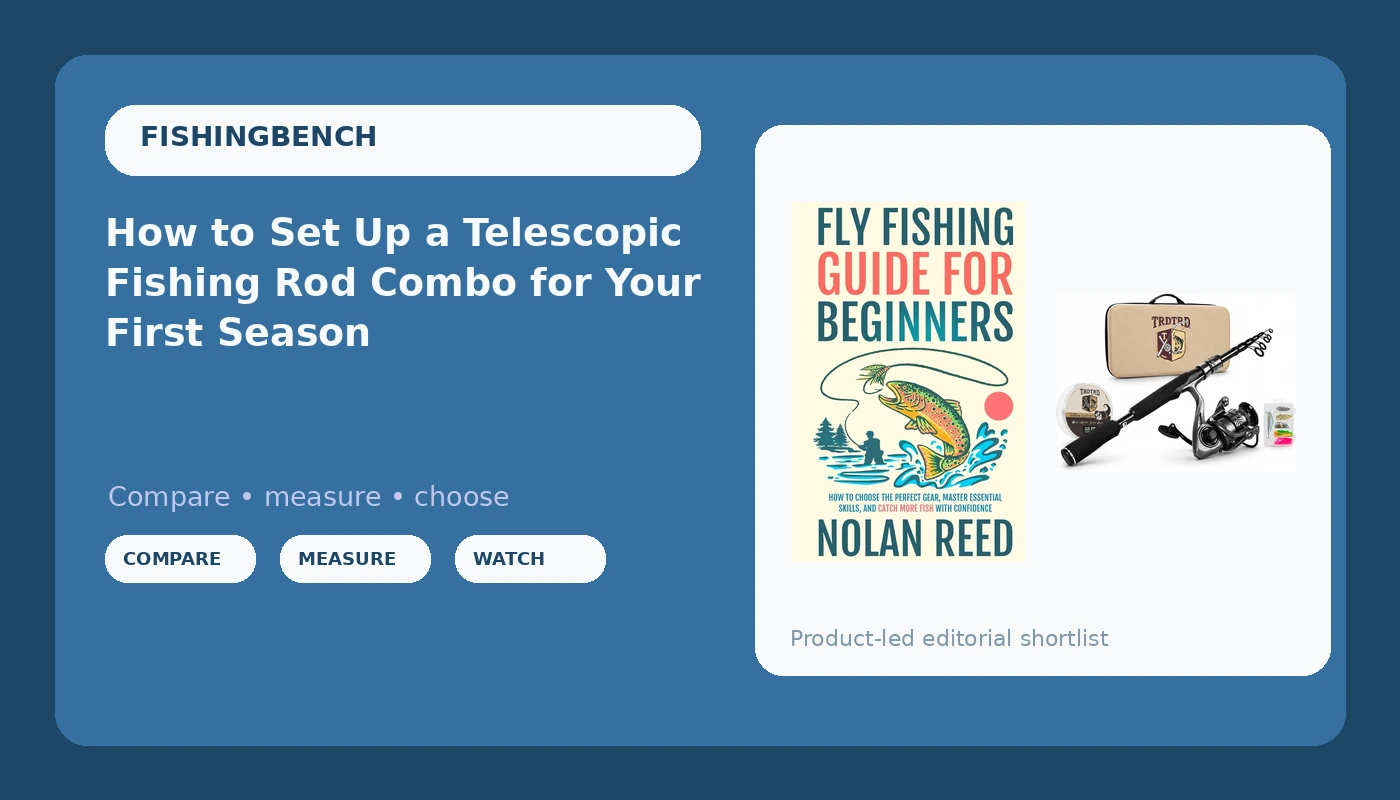
A telescopic fishing rod combo is the cheapest honest way to find out whether you actually like fishing. The whole kit collapses into a bag that lives behind a truck seat, and one purchase gets you a rod, a reel, line, lures, and a box to keep them in. That is a good pitch, and it is why so many first rods are combos.
The problem is that most telescopic fishing rod combos get set up wrong in the first ten minutes and then fish badly for two seasons. The reel seat wobbles, the line is spooled to the lip, the drag is cranked shut, and the rod sections were never seated all the way. None of that is the kit's fault. It is a setup problem, and setup is fixable.
I have rigged more first rods than I can count for customers walking out of my shop, and the order below is the one I walk them through at the counter.
Why you should trust me
I guided charters out of Destin for 24 years before my knees voted me out of the boat. Now I run a tackle shop and spend my weekdays doing what I always wanted to do anyway: handling gear and logging how it behaves on the water. Every rod that comes through the shop gets the same treatment. A full season of real fishing, a backbone test against a 40 pound drag, and a casting check with a beginner and an experienced angler on the same blank.
I keep a logbook of action curves, and after enough rods you can feel a bad taper in your hands before the first cast. I also sell gear, so you should know my bias: it runs toward rods that hold up, not rods that photograph well.
How I judge a combo before I recommend it
Four things matter on a combo, and none of them are the word "carbon" on the box.
Action. Action is how a rod bends, and it is the spec that actually decides whether you can cast the thing. A fast tip loads quickly and throws light lures with accuracy. A moderate bend is more forgiving when you are still learning timing. Combo rods tend toward a moderate fast taper because it hides mistakes, and for a first rod that is the right call.
Guides. The guides are the rings that route your line, and they are the first place a cheap combo gives itself away. Stamped guides with a smooth finish are fine for a season of freshwater. Anything headed for salt needs a rinse after every trip, because a guide that grooves will shred line and cost you fish.
The reel seat. That is the fitting that holds the reel to the blank. Grab the reel and try to rock it. If the seat moves, the rod goes back on the rack. A wobbly reel seat on a 20 pound fish is a disaster with a countdown running on it.
Backbone. The rod's power through the mid section. Bend the rod against a steady pull and watch where it locks up. A rod that folds into the butt has no backbone, and you will feel it the first time something with shoulders turns away from you.
If a combo passes those four checks, it is a real fishing rod, not a toy. That is a low bar, and more kits clear it than you would guess.
What you need before you start
The kit below is what I point beginners toward when they want everything in one bag. The book is what I hand them next, because the difference between a person who catches fish and a person who owns a rod is usually information, not equipment.
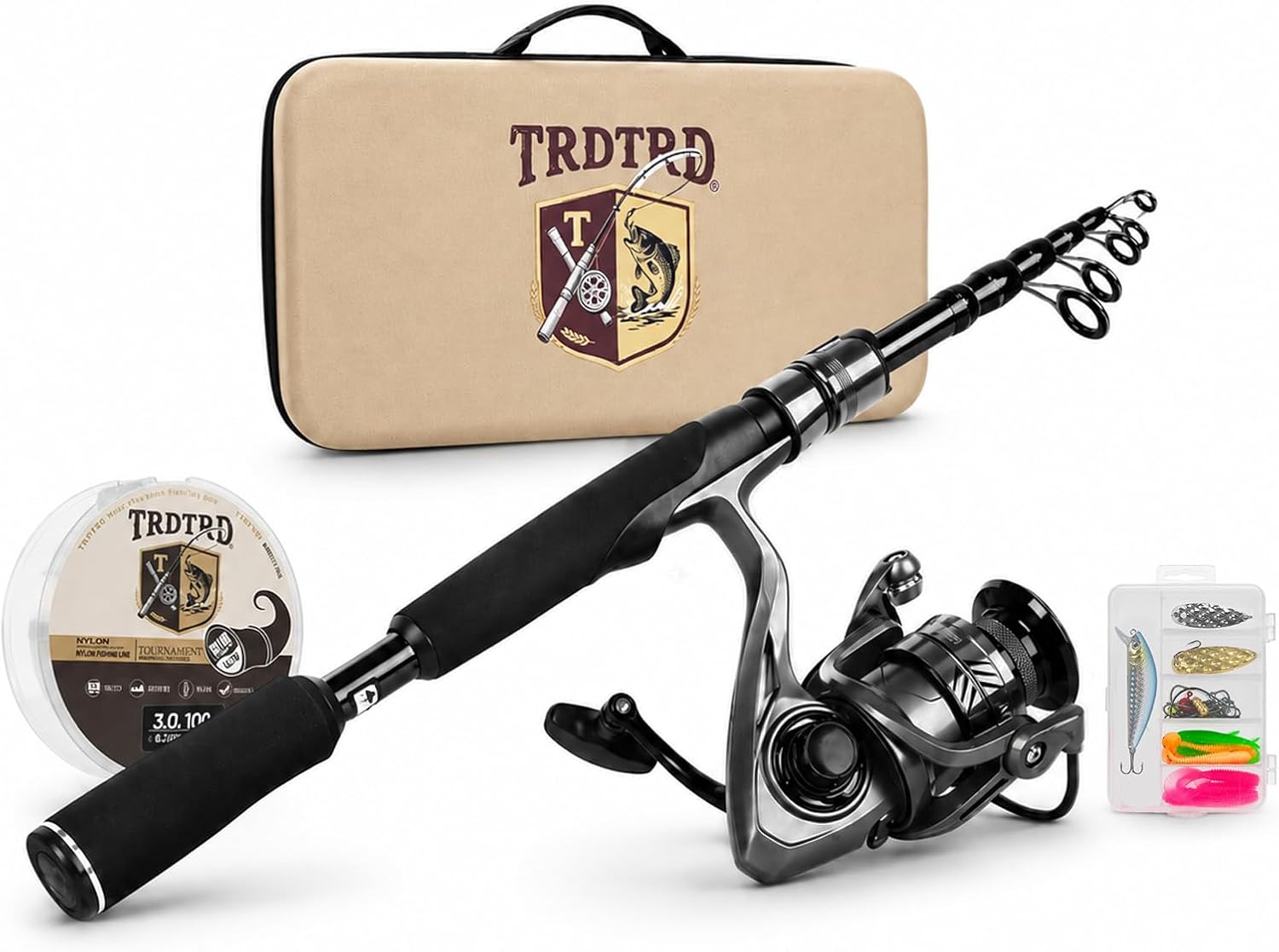
The kit: Fishing Rod and Reel Combo Kit - Telescopic Fishing Rod, Collapsible Fishing Rod, Portable Fishing Set w/Tackle Box, Lures & Bag, 4.2oz Carbon Fiber, 5.2:1 Anti-Twist Reel, Freshwater/Light Saltwater
 Visit on Amazon →
Check current Amazon price. What is in the bag: a telescopic carbon fiber blank listed at 4.2 ounces, a 5.2:1 anti twist reel, a tackle box, a starter set of lures, and a carry bag. The whole thing collapses short enough to live in a backpack or a truck box, which is the entire reason a combo like this exists.
Here is what I would check before the first cast, in order. Pull each section out and seat it firmly with a quarter turn, then sight down the blank and make sure the guides line up straight. Spin the reel seat and check it for wobble. Open the reel, look at the line lay, and confirm the drag knob turns smoothly through its whole range instead of sticking at one spot.
Two honest notes. Telescopic blanks have joints, and joints are where a rod flexes unevenly, so do not expect the feel of a one piece rod at three times the price. And "light saltwater" means exactly that. Rinse the rod and reel in fresh water after every trip, dry the guides, and back the drag off before it goes in the bag. Do that and a kit like this fishes for years. Skip it and you will be shopping again by next season.
Flaws but not dealbreakers: fewer guides than a one piece blank means a little more line slap on the cast, and the joints need a wipe down. Neither one changes how many fish you catch.
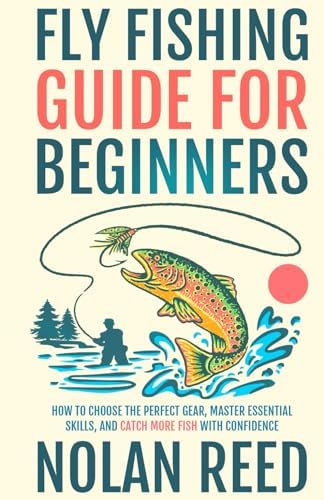
The reading: Fly Fishing Guide For Beginners: How To Choose The Perfect Gear, Master Essential Skills, and Catch More Fish with Confidence (Fly-Fishing Mastery)
 Visit on Amazon →
Check current Amazon price. This one is a beginner's guide to fly fishing, so if you are starting on the spinning combo above, the fly casting material is not your problem today. Buy it anyway, for the parts that have nothing to do with a fly rod: how to choose gear that matches the fish you actually catch, how to read water, where fish hold, and how to slow down and think about a cast instead of flailing at the bank.
Half of what I tell customers at the counter is in a book like this, and they nod and forget it by the parking lot. A book they can re-read at the kitchen table on a Friday night sticks better. The gear selection chapter is worth the cost on its own if you are trying to decide between a second rod, a different reel, or line you do not need.
Flaws but not dealbreakers: it is fly specific in the middle chapters, so a spinning angler will skim. The water reading and fish behavior sections are universal.
The setup, in order
Now the part that matters. This works on any telescopic combo, and the order is not negotiable.
Step one: Inspect before you extend. Run your fingertip around every guide ring and check the tip top for nicks. A nick found at home costs nothing. The same nick found on the water costs a fish and a spool of line.
Step two: Seat the reel and test it. Mount the reel, tighten the seat, then grab the reel body and try to rock it side to side. If there is movement, make sure the reel foot is fully seated in the hoods before you blame the seat. Once it is tight, the reel should not move at all.
Step three: Back the drag off before you spool. Turn the drag knob all the way down. Spooling line against a locked drag is how you put a permanent twist in a new spool.
Step four: Fill the spool to the right level. Add line until it sits about an eighth of an inch below the lip of the spool. Too little and your casting distance drops. Too much and the line jumps off the spool mid cast, which is where wind knots come from.
Step five: Set the drag by hand. With the rod bent, pull line off the reel. It should come off with steady resistance, not with a jerk and not with a fight. Set it light and add pressure during the fight. You can always tighten a drag. You cannot unbreak a knot.
Step six: Tie your connection and test it twice. Whether you tie direct to a hook or add a leader, wet the knot before you seat it and pull it tight with steady pressure. A knot that pops is the most common way a beginner loses the first good fish of the day.
Step seven: Cast in the yard. Ten minutes on grass beats an hour of untangling on the dock. Let the weight of the lure load the rod and let the rod do the work. Do not muscle it.
Step eight: Rinse and collapse in the right order. Collapse from the tip down, wipe the blank, rinse the guides with fresh water, and back the drag off before storage. Telescopic rods live or die on this step.
Where beginners lose fish
Over spooled reels. Locked down drags. Sand in the guides. Joints that were never fully seated. Line memory from a hot truck cab. And lures that are too heavy for the rod's printed lure rating, which is how tips break. Stay inside the range printed on the blank and the rod will last.
Then there is the reel seat again. Check it every trip, not once a season. It takes two seconds and it is the difference between landing the fish and telling the story about the one that got away.
When a combo is the wrong tool
If you already know you are going to fish forty weekends a year, buy a one piece rod and a separate reel. The feel is better, the guides last longer, and the setup is more precise. But that is a decision for your second season, not your first.
For a kid, a travel rod, a truck rod, or a "I am not sure I like this yet" rod, the combo is the right answer. It gets you fishing this weekend instead of three weeks from now, and the fish do not care what the blank cost.
What this all costs
The kit bundles the rod, the reel, the tackle box, the lures, and the bag into one purchase. Buying those pieces separately means three or four decisions instead of one, and you will spend more doing it. The book is a small add on and the highest return per dollar in the whole setup, because information does not wear out and it does not corrode in salt air.
Run the math on trips instead of dollars. If you fish twenty times in a season, the whole setup costs less per trip than the bait you will lose. That is the honest accounting for a first rod.
The short version
Inspect the guides, seat the sections, mount the reel and check for wobble, back the drag off, fill the spool to an eighth of an inch below the lip, set the drag light, wet your knots, practice in the yard, then rinse everything and collapse it tip first. Do that and a telescopic fishing rod combo will fish like a rod that cost twice as much.
The rod is a tool. The fish is the review. Get the setup right and go find out.