I have spooled more line than most factories, ran charters out of Destin for 24 years until my knees voted me out, and now I sell tackle to people who walk in every weekend with the same question: which fishing rod and reel combo is actually worth buying? Most combos are assembled to hit a price point, and the bundle is where the corners get cut. Guides, reel seat, and line are the first three things to go cheap, and those are the three things you feel on every cast. This comparison covers four kits that come up in my shop constantly: two spinning combos, one fly kit, and one tackle backpack that is not a rod at all but belongs in the same buying decision, because what carries your tackle decides how often you actually fish.
If you want the short answer, the Ugly Stik GX2 Spinning Reel and Fishing Rod Combo is the one I hand to most beginners. The blank survives the abuse a new angler delivers, and the price leaves room for decent line. The longer answer is about who should buy something else.
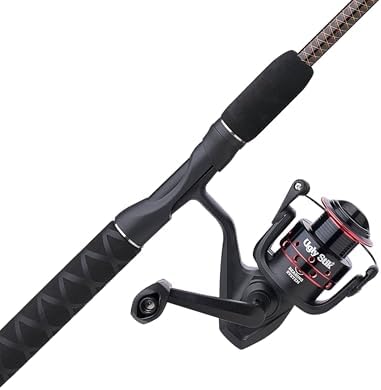
Ugly Stik GX2 Spinning Reel and Fishing Rod Combo
Toughest blank in the group, moderate action that suits a beginner, reel seat holds
Heavier and less sensitive than a good graphite rod
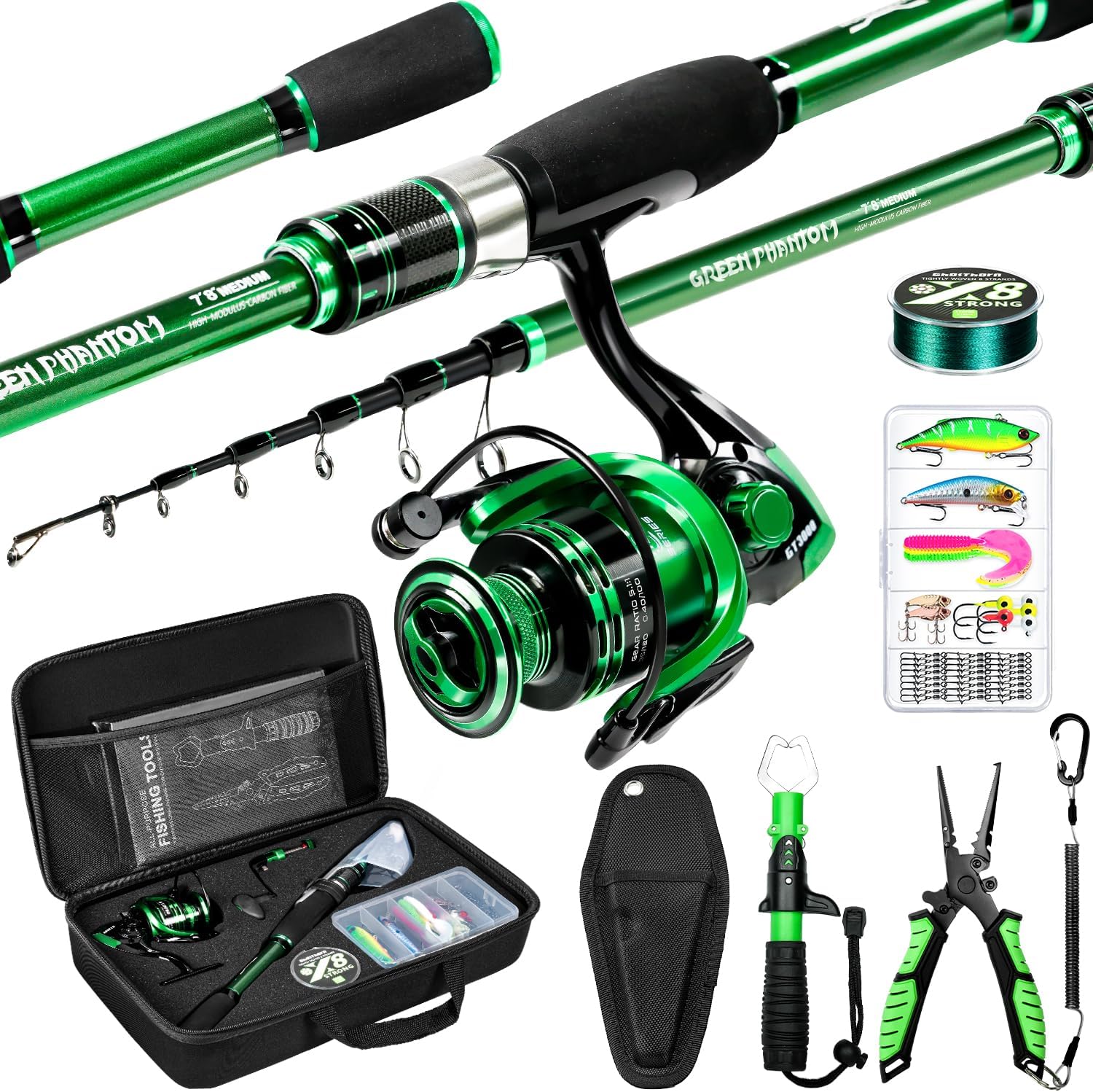
Ghosthorn Telescopic Fishing Rod and Reel Combo, Spinning Travel Kit
Packs down small enough to live in a trunk or backpack, complete kit
Telescopic ferrules break up the action curve, travel-grade reel seat
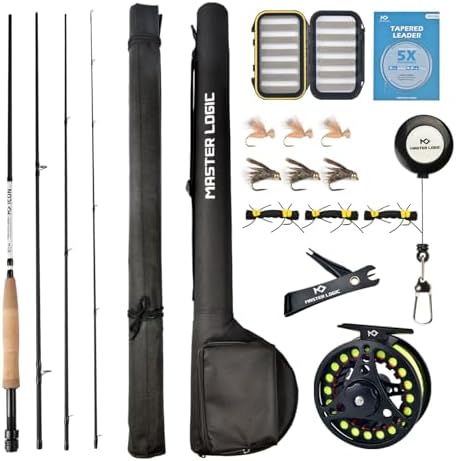
Fly Fishing Combo Starter Kit, Graphite Rod and Reel with Case
Everything for a first fly setup in one box, graphite blank, hard case
A different discipline entirely, not a substitute for a spinning rod
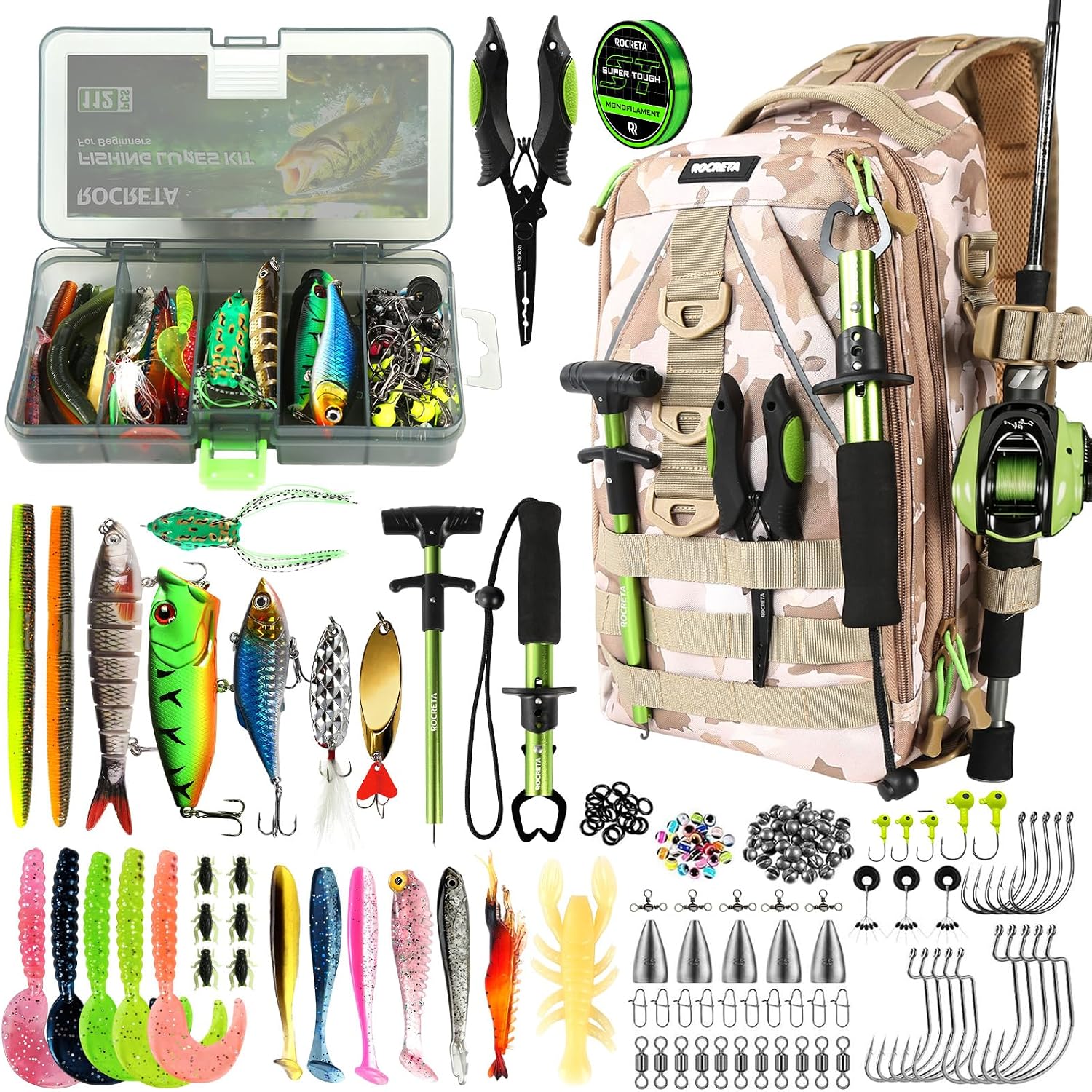
Fishing Backpack with Tackle Boxes, Fishing Lure Kit and Tool
Turns loose tackle into a system, boxes plus lures plus tools
Not fishing gear that catches anything, and the bundled hooks are generic
Prices and availability were captured from Amazon Creators API and may change.
How I judge a combo
Every combo here is a bundle: rod, reel, and whatever else the box holds. That is also the problem with combos. When a manufacturer hits a price point, the money goes to the blank, the reel, or the packaging, and rarely all three.
Three things decide whether a combo is worth owning.
Guides. The rings that route your line are the cheapest part to downgrade and the most expensive to ignore. A hard, polished ring survives a season of braid. A soft one grooves, and a grooved guide shreds line on the cast and on the fight. If the rings look dull gray with a seam down the middle, that is a tell.
The reel seat. This is the fitting that holds the reel to the blank. If the reel rocks in the seat, every hookset twists the whole assembly, and a big fish finds that wobble before you do. Grab the reel and try to twist it. Any movement is a no.
Action. Action is how the rod bends: fast at the tip, moderate through the middle, slow deep into the butt. Power is a marketing number. How the blank loads on a cast and unloads on a hookset is the spec that actually matters, and it is the one nobody prints on the box.
Ugly Stik GX2 Spinning Reel and Fishing Rod Combo
Ugly Stik has been the value king in my shop for as long as I have been selling rods, and the GX2 combo is the reason. The blank shrugs off the abuse beginners deliver: car doors, ceiling fans, an accidental step in the driveway. The action is moderate, which is exactly right for a first spinning rod. It loads slowly enough that you can feel the cast happen instead of trying to muscle it, and it keeps enough backbone through the midsection to turn a fish away from a dock piling.
Where it wins: durability per dollar, and a reel seat that holds. Where it loses: weight and sensitivity. A heavier, moderate blank does not transmit the difference between a rock and a bite the way a good graphite rod does, and after four hours of casting you will feel the extra ounces in your shoulder. The included reel is a workhorse, not a precision instrument. If you fish forty days a year, you will eventually want a better reel on the same rod, and that is fine, because the blank will outlast it.
Who it is for: the angler who fishes a handful of times a season for bass, panfish, catfish, or whatever swims locally. It is also the rod I would hand a kid without wincing.
You can see the current listing here: Ugly Stik GX2 Spinning Reel and Fishing Rod Combo.
Ghosthorn Telescopic Fishing Rod and Reel Combo, Spinning Travel Kit
Telescopic rods solve one problem, and they solve it well: a rod that collapses into a package short enough to live in a backpack, a saddlebag, or the trunk of a car that already has too much in it. The Ghosthorn kit is built around that idea, and the kit format means the reel, line, and a small tackle assortment come with it.
The compromise is in the ferrules. Every telescopic section is a joint, and every joint is a place where the blank flexes differently than the section above it. A telescopic spinning rod almost always feels softer and less crisp than a two-piece rod of the same length, and the action curve is not a smooth arc so much as a series of steps. That matters most when you are trying to cast accurately into a small pocket or set a hook at distance.
The second compromise is the reel seat and the guides. Travel kits save weight and cost there, so check the reel for wobble before you trust it and check the guide rings for a smooth, hard finish. Those two checks take ten seconds and tell you whether the kit is a tool or a toy.
What it is good at: it goes where you go. A rod in the trunk catches fish; a rod in the garage does not. If your fishing is opportunistic, a lunch break at a pond, a work trip with an afternoon free, a hike to a backcountry lake, this is the combo that actually gets used. If your fishing is deliberate, if you drive to the same lake every Saturday and you are chasing bigger fish, buy a two-piece rod with better guides and accept the longer tube.
You can see the current listing here: Ghosthorn Telescopic Fishing Rod and Reel Combo, Spinning Travel Kit.
Fly Fishing Combo Starter Kit, Graphite Rod and Reel with Case
Fly fishing is a different discipline, and I want to be direct about that before anyone buys this kit expecting a spinning rod with a different look. In fly fishing, the line is the weight. You cast a heavy line and let it carry a nearly weightless fly, which is why the rod has to load smoothly through a much wider range than a spinning rod ever does.
A starter kit like this one gives you the whole entry: graphite rod, reel, line, and a case. That matters, because buying fly gear piece by piece is where beginners overspend. The rod is the piece to judge. A graphite blank in a starter kit is a real advantage over the fiberglass and composite blanks that used to fill this price bracket, because graphite recovers faster and gives you a tighter loop with less effort.
The reel in most starter fly kits is primarily a line holder. For panfish, small bass, and stocked trout, that is completely fine, because those fish are not taking line off the reel. For bigger fish, drag quality becomes the whole game, and that is where you would step up to a reel that costs more than this entire kit.
The honest advice: take a lesson, or fish with someone who casts, before you buy any fly kit. The gear is not the hard part. Timing is. If you already know you want to learn, this kit gets you on the water without a second trip to the shop.
You can see the current listing here: Fly Fishing Combo Starter Kit, Graphite Rod and Reel with Case.
Fishing Backpack with Tackle Boxes, Fishing Lure Kit and Tool
This is not a rod, and I am including it because the question I get most often is not "which rod" but "what do I actually need to start." A backpack with tackle boxes inside changes how you fish. You stop planning trips around what fits in two hands and start walking banks, wading creeks, and hiking to water that does not have a parking lot.
The kit format does the heavy lifting: boxes for organization, a lure assortment, and basic tools. Organization is underrated. The angler who can find a hook in ten seconds fishes more than the angler digging through a plastic bag in the dark.
Two caveats. First, lure kits in bundles tend to include generic hooks and split rings, so replace the hooks on anything you plan to fish hard, and check that the split rings actually close. Second, a backpack only pays off if you walk. If you fish from a boat with a bench seat, a plain box is cheaper and easier to live with.
Where it wins: it turns a pile of loose tackle into a system. Where it loses: it is not gear that catches fish, it is gear that carries gear, and no backpack has ever improved a cast.
You can see the current listing here: Fishing Backpack with Tackle Boxes, Fishing Lure Kit and Tool.
The trade-offs, side by side
Line up all four and the pattern is simple. Each one gives something up to be good at something else.
The Ugly Stik GX2 gives up weight and sensitivity for durability. The Ghosthorn telescopic gives up action quality for portability. The fly kit gives up versatility for a specific discipline. The backpack gives up nothing except money, because it does not overlap with the rods at all. It supports whichever rod you pick.
If you are buying your first combo and you fish locally a few times a month, buy the Ugly Stik and put the savings into line. Factory line on any combo is the first thing I replace. A spool of decent monofilament or braid costs less than a tank of gas and changes how the whole setup casts.
If you travel and your fishing is opportunistic, the telescopic kit earns its place. I would keep it in the vehicle as a second rod rather than an only rod.
If you want to learn fly fishing, buy the fly kit and budget for instruction. If you want to fish more often because your tackle is finally organized, buy the backpack.
The short version
Match the rod to the fish you actually catch, not the fish in the catalog photo. That single sentence settles most of this comparison. The Ugly Stik GX2 covers the widest range of real freshwater situations for a beginner. The Ghosthorn kit covers the widest range of locations, at the cost of a crisp action. The fly kit opens a discipline that rewards practice more than spending. The backpack makes all three easier to carry, and if your tackle is currently a bucket and a grocery bag, that is the upgrade that will get you on the water more often.
Check the reel seat and the guides on anything you buy, replace the line before your first trip, and spend the rest of your budget on time on the water. That is the whole decision.