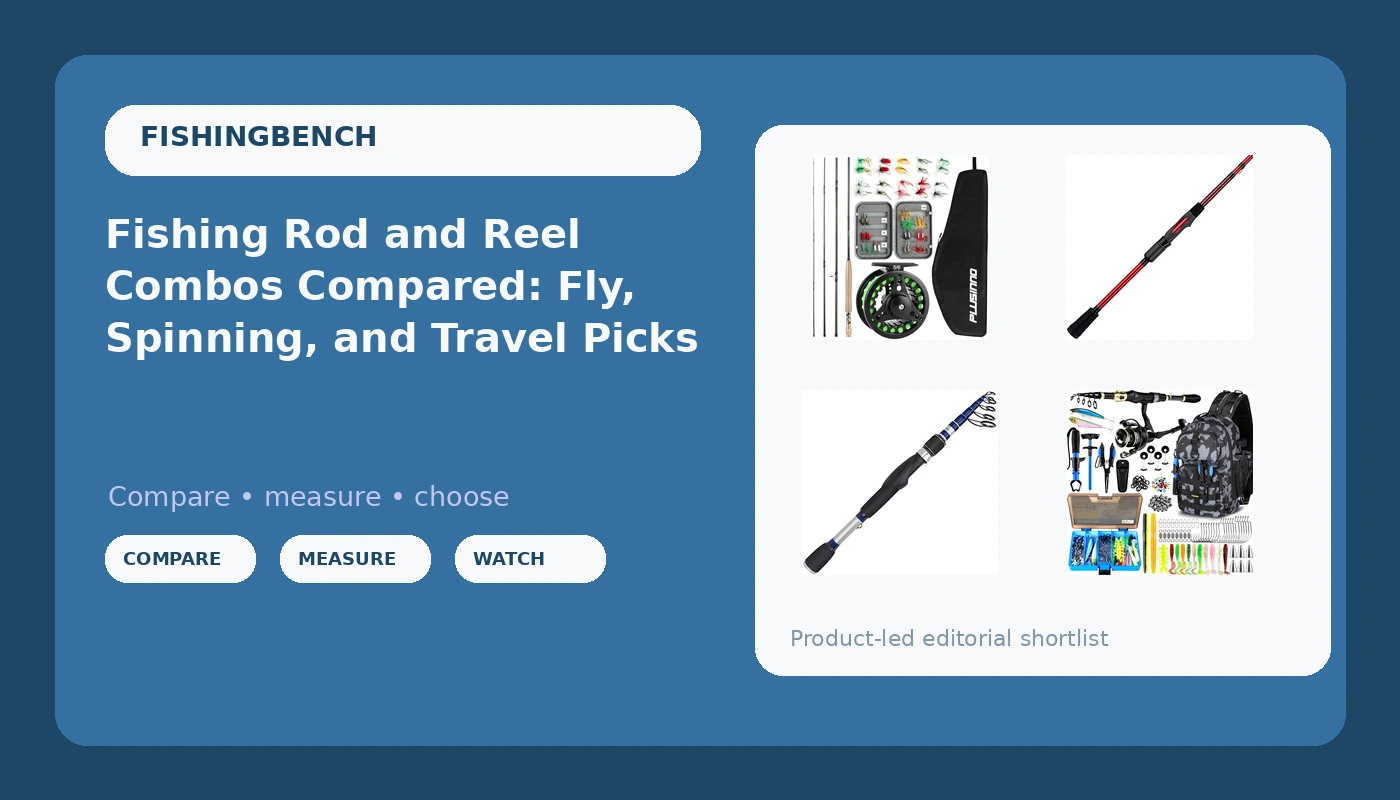
I have spent 24 years on the water around Destin, most of them running charters, and now I run the tackle shop and fish most mornings before the counter opens. The question I hear most is not about bait or tides. It is about which of these fishing rod and reel combos a person should actually put in the truck.
The short answer is that there is no single winner, because these four products solve four different problems. Two are complete setups out of the box. One is a rod that expects you to bring your own reel. One is not a rod at all, and it is the piece most beginners forget until they are standing in the surf with a handful of loose plugs.
If you want one rod that outlasts the truck, the Ugly Stik Carbon Spinning Fishing Rod is the pick. If you want a complete first setup with nothing else to buy, the PLUSINNO Fly Fishing Rod and Reel Combo Kit is the one. If your water is a plane ride away, the KastKing Compass Telescopic Fishing Rods and Combo packs smaller than anything else here. And the PLUSINNO Fishing Backpack is the piece that makes a rod-only purchase usable, which is exactly why it belongs in this comparison.
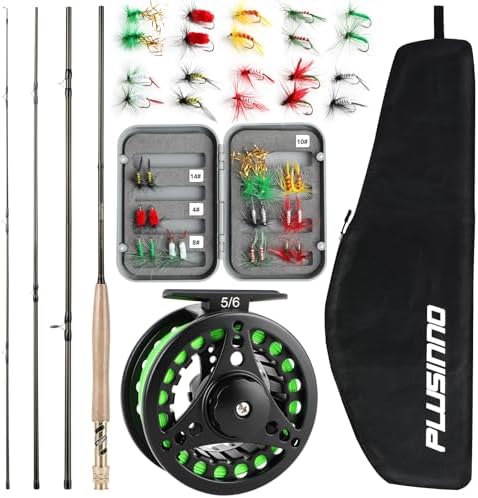
PLUSINNO Fly Fishing Rod and Reel Combo Kit
Complete matched kit, so a beginner has rod, reel, and line that were chosen to work together
The steepest learning curve here, and the reel matters far less than the line
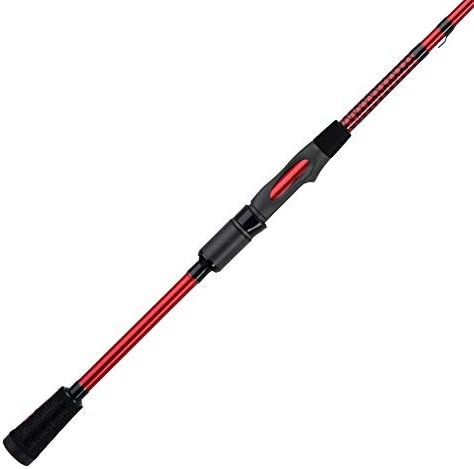
Ugly Stik Carbon Spinning Fishing Rod
Rod-only purchase lets you pick the reel, and the blank has a long reputation for surviving abuse
No reel and no line, so the sticker is only the beginning of the total cost
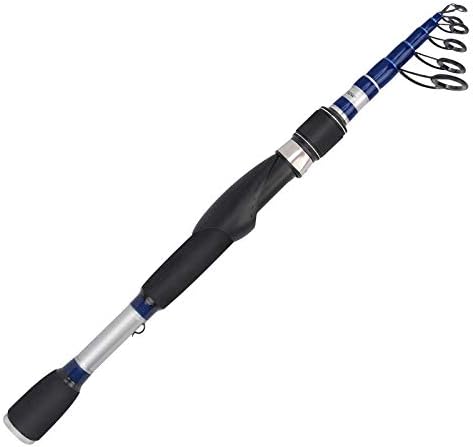
KastKing Compass Telescopic Fishing Rods and Combo
Collapses small enough for a suitcase or a truck seat, and it arrives ready to fish
More joints means more flex points, and action is rarely as crisp as a one-piece blank
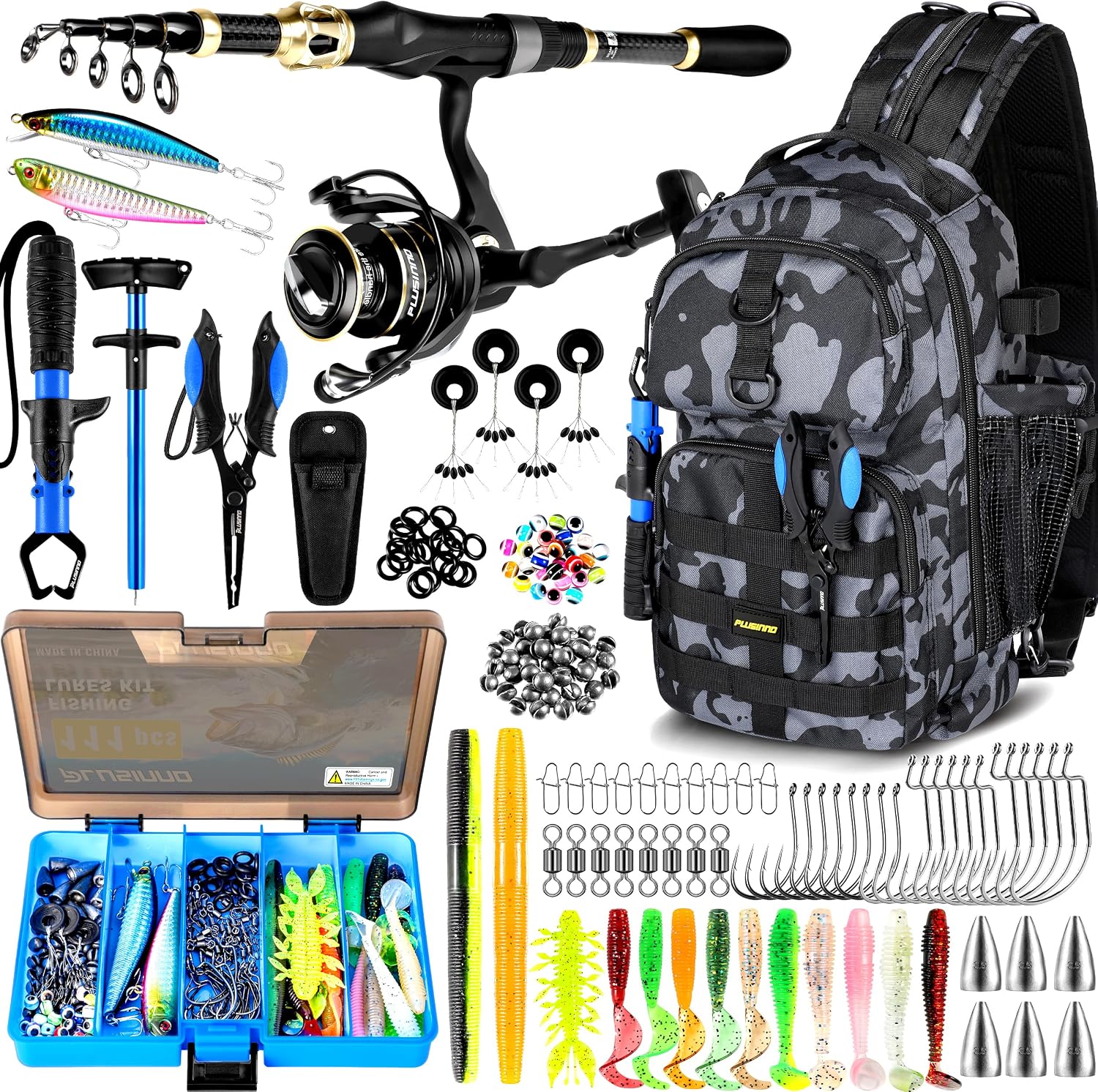
PLUSINNO Fishing Backpack with Rod and Tackle Boxes
Waterproof sling with a rod holder, plus lures, pliers, and a lip gripper for hands-free walking
It is not a rod, and it will not fix grooved guides or a wobbly reel seat
Prices and availability were captured from Amazon Creators API and may change.
How I judge a rod before it earns a recommendation
Every rod that gets my recommendation passes the same four checks, and none of them involve the catalog copy.
Action comes first. Action is how a rod bends, and it is the spec that actually matters. A fast action bends in the top third and gives you accuracy, but it punishes a sloppy cast. A moderate action bends through the middle, loads deeper, and is more forgiving on a moving boat. If a manufacturer's action rating does not match the bend I see on a real cast, I stop trusting everything else on the page.
Backbone is second. Backbone is the power in the midsection when a fish is under the boat. I lock a drag down and pull. If a blank folds into the handle instead of holding its curve, it is a trout rod wearing a saltwater label.
Guides are third, and they are the part that costs you fish. Cheap rings groove, and a grooved ring shreds line on the cast and on the fight. I run a cotton swab around the inside of every guide. If it catches, the guide is already rough.
The reel seat is fourth. A wobbly reel seat on a twenty pound fish is a disaster waiting to happen. I mount a reel, torque it down, and try to move the foot by hand.
Then I do the test most people skip: I hand the rod to a beginner and to a working guide and watch them cast. If the beginner can get line out without tangling and the guide hands it back without a comment, it passes. I also want twenty real trips on the water before I call anything a recommendation. A review without a season behind it is an opinion, not a review.
The fly combo: a matched system for a first cast
Fly fishing is a line game, not a lure game. The weight of the line carries the fly, and the rod's only job is to load that line and send it. That is why a matched kit makes sense for a beginner, and why a mismatched setup is the most common reason a new fly angler gives up. The PLUSINNO Fly Fishing Rod and Reel Combo Kit arrives as a complete system, so you are not guessing at line weight on your first trip.
What I like about starting with a kit is that it removes the variable that trips up most beginners. You can learn the casting stroke on a setup that was assembled to cast. What you give up is upgrade room. A fly angler who stays with it will eventually want a second line, a second spool, and probably a second rod for a different line weight. A starter kit is a good teacher and a limited long term tool.
Where this kind of setup shines is small water and small fish: farm ponds, creeks, tailwaters, and the back bays where you are casting to fish you can see. Where it struggles is wind and distance, which is true of every light fly outfit, not just this one. If your home water is a windy open beach, learn on the fly rod in the spring and keep a spinning rod in the truck.
Care matters more with fly gear than with anything else here. Dry the line before it goes back in the case, keep the guides clean, and never lay a fly rod across a tailgate. Fly rods break at the tip and in car doors, in that order.
The spinning rod: buy the blank, choose your own reel
The Ugly Stik Carbon Spinning Fishing Rod is the only rod here that shows up without a reel, and that is a feature, not a flaw. Buying rod-only means you choose the reel that matches your fishing, and the reel is the part that wears out first.
I have said this in the shop for years: Ugly Stik is the value king. The blanks take abuse that would retire a thinner rod, and the action is good enough for the vast majority of anglers who fish inshore, from a pier, or in freshwater. It is not a St. Croix and it is not a G. Loomis, and if you have spent years with either of those you will feel the difference in sensitivity. For everyone else, it is the rod that stays in the truck.
The trade-off is the total cost. Rod-only means the sticker is the beginning. Add a reel, add line, and you have spent more than a combo. What you get for that is a setup you chose instead of one a factory chose for you, and a rod that will still be fishing when the reel is on its third spool of line.
Two things to check when it arrives. First, mount your reel and check the balance point. The rod should balance near the front of the foregrip, not tip heavy. Second, run your fingers around the guides and check the reel seat for wobble. Those two checks catch most of the problems that turn a good rod into a frustrating one.
The telescopic combo: built for the trunk and the overhead bin
The KastKing Compass Telescopic Fishing Rods and Combo is the travel answer. It collapses into a package that fits in a suitcase, under a truck seat, or in a kayak hatch, and it arrives as a combo, so it fishes the day it lands.
The compromise with any telescopic rod is in the joints. Every section is a place where the blank can flex differently, and more joints generally mean an action that is less crisp than a one piece blank of the same quality. That is engineering, not marketing. The upside is that you actually have a rod with you. A great rod two thousand miles away in the garage catches nothing.
If you buy a telescopic rod, extend it fully and check guide alignment before your first cast. The guides should line up in a straight line down the spine. Wipe the joints with a dry cloth after every saltwater trip, and do not overtighten the sections. Sand in a ferrule is what turns a travel rod into a two piece rod.
This is the setup I recommend to the person who travels for work and fishes two evenings a trip, and to the family that wants one rod in the car for the pier and the pond. It is also a reasonable backup rod for a boat bag. It is not the rod I would hand to someone chasing big fish in open water, because the joints are the first thing to complain under a hard load.
The backpack: the part of the kit nobody plans for
The PLUSINNO Fishing Backpack with Rod and Tackle Boxes is not a rod, and it does not pretend to be. It is a waterproof sling bag with a rod holder, and it solves the problem that shows up after you buy a rod: how do you carry the rest of it.
Wade fishing, walking a beach, or paddling a kayak all punish a guy with two hands full of tackle box. A sling bag keeps the weight on your back, keeps your hands free for the rod, and holds the rod while you retie. This one ships with lures, pliers, and a fish lip gripper, which is a sensible starter loadout for someone who owns nothing yet.
Two honest notes. First, the included tackle is starter grade. It will catch fish, and you will replace it as you learn what your water wants. Second, a bag is not a substitute for maintenance on the rod. If your guides are grooved and your reel seat wobbles, a nicer bag will not help.
What I would check: the zippers, the strap padding, and the rod holder. Zippers fail first on any saltwater bag, and a strap that cuts into your shoulder after an hour of walking is a bag that stays in the truck. Rinse the whole thing with fresh water after every trip and let it dry open, the same as you would with a wader.
The trade-offs that actually decide it
Complete kit versus rod only. A combo gets you fishing today. A rod-only purchase gets you a better setup eventually, because you pick the reel. If you are new and you are not sure you will stick with it, buy the combo. If you already know you fish twenty weekends a year, buy the rod and put your money in the reel.
Fly versus spinning. The fly rod teaches you line control and it is the most fun you can have on a small creek. The spinning rod is easier to learn, casts farther into wind, and handles bigger fish with less drama. Pick the one that matches the water in front of you, not the one that looks better in a photo.
Telescopic versus one piece. Travel wins, action loses. If the rod only ever rides in the truck, a one piece blank gives you a better cast for the same money.
Ignore "saltwater ready" on any rod with hardware that corrodes. Rinse everything with fresh water after every trip, dry the guides, and back the drag off before the rod goes in the closet. That habit does more for rod life than any coating.
And remember the shop owner's rule: buy for the fish you actually catch, not the fish in the catalog photo. Most anglers I know would fish better with a moderate rod they understand than a fast rod they fight.
Which one I would hand you
If you fish from a boat, a pier, or the beach and you want one rod to keep for years, get the Ugly Stik Carbon Spinning Fishing Rod and put a reel on it that you actually like.
If you have never held a fly rod and your water is a pond or a creek, the PLUSINNO fly kit is the most direct way to find out whether you love it.
If you travel, or if the rod lives behind the seat, the KastKing Compass combo is the one that will actually be with you when the fish are.
And if you are walking in rather than driving in, add the PLUSINNO backpack before you add a second rod. It is the cheapest upgrade to a day on the water, and the one most people skip.
The rod is a tool. The fish is the review.