Most rod money gets wasted before the first cast. Not because the rod is bad, but because it went home with the wrong angler. A father buys a nine-foot surf stick for a nine-year-old. A crappie fisherman walks out with a bass rod because it looked good on the rack. I have watched that happen across a shop counter for years, and the mistake is always the same one: buying for the fish in the catalog photo instead of the fish you actually catch.
This fishing rod combo comparison covers four rods built for four different jobs. One is a kid's starter set. One is an all-around spinning and casting rod. One is a three-piece travel surf combo that arrives with a reel already in the box. One is a two-piece crappie rod from a brand that panfish anglers know well. None of them is a bad rod. Each of them is the wrong rod for three out of four buyers, which is exactly why the comparison matters more than the star rating on the listing.
The short answer: buy for the water you fish most, not for the one trip you are planning. Child on the bank? Take the kids set. Beach, pier, and jetty duty? Take the surf combo, because the reel comes with it. Brush piles and docks for panfish? Take the Crappie Wizard. One rod that covers a bit of everything on a tight budget? Take the KastKing Perigee II.
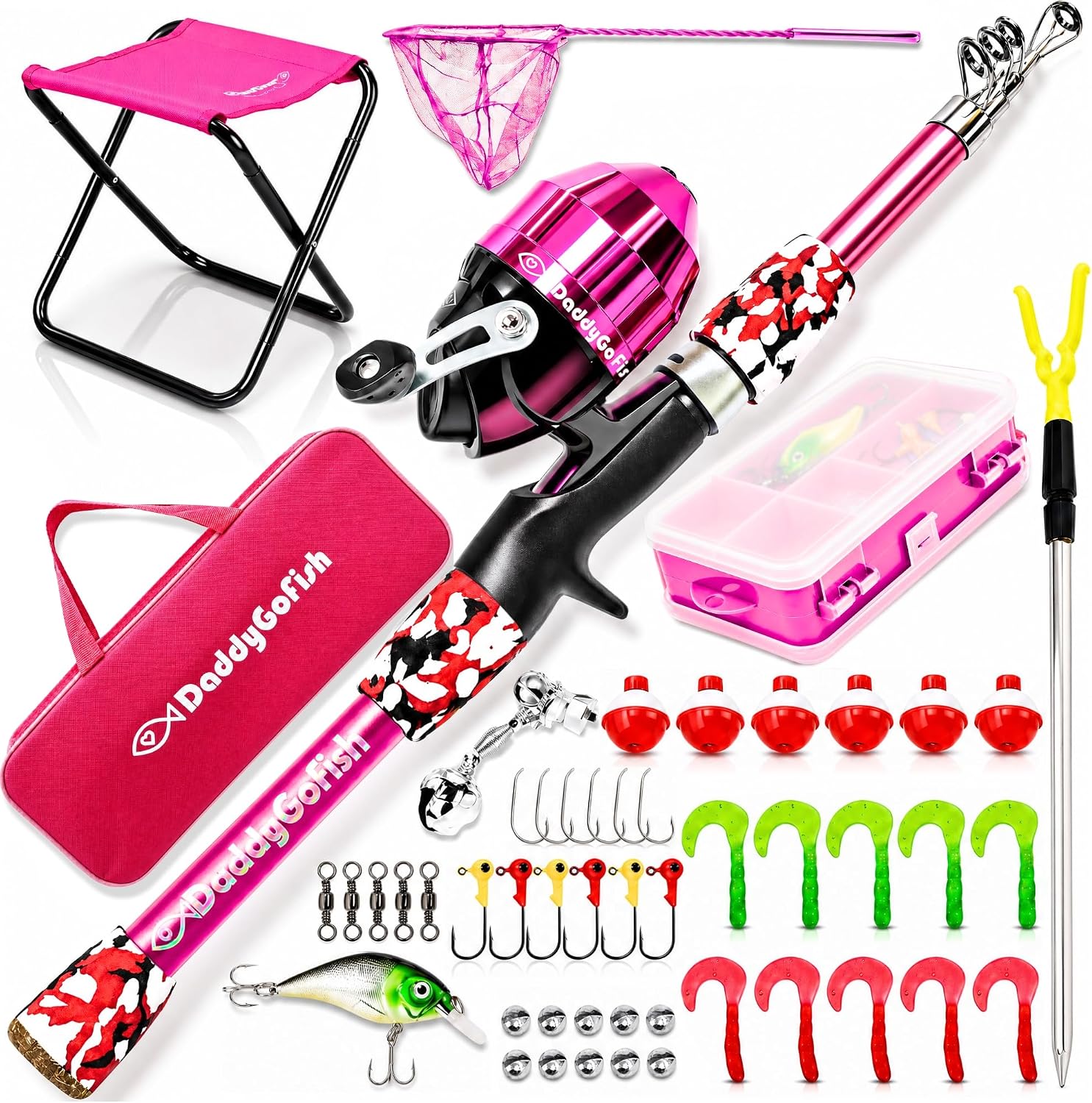
Kids Fishing Pole for Boys, Girls & Youth Age, Toddler Fishing Pole Set Kit
The shortest path from a kid's first cast to a kid's first fish, everything in one box
Built for small hands and small fish, not for adults or big water

KastKing Perigee II Spinning & Casting Fishing Rods
One budget rod that covers both spinning and casting techniques
A generalist by design, so it is not the specialist for any one fishery
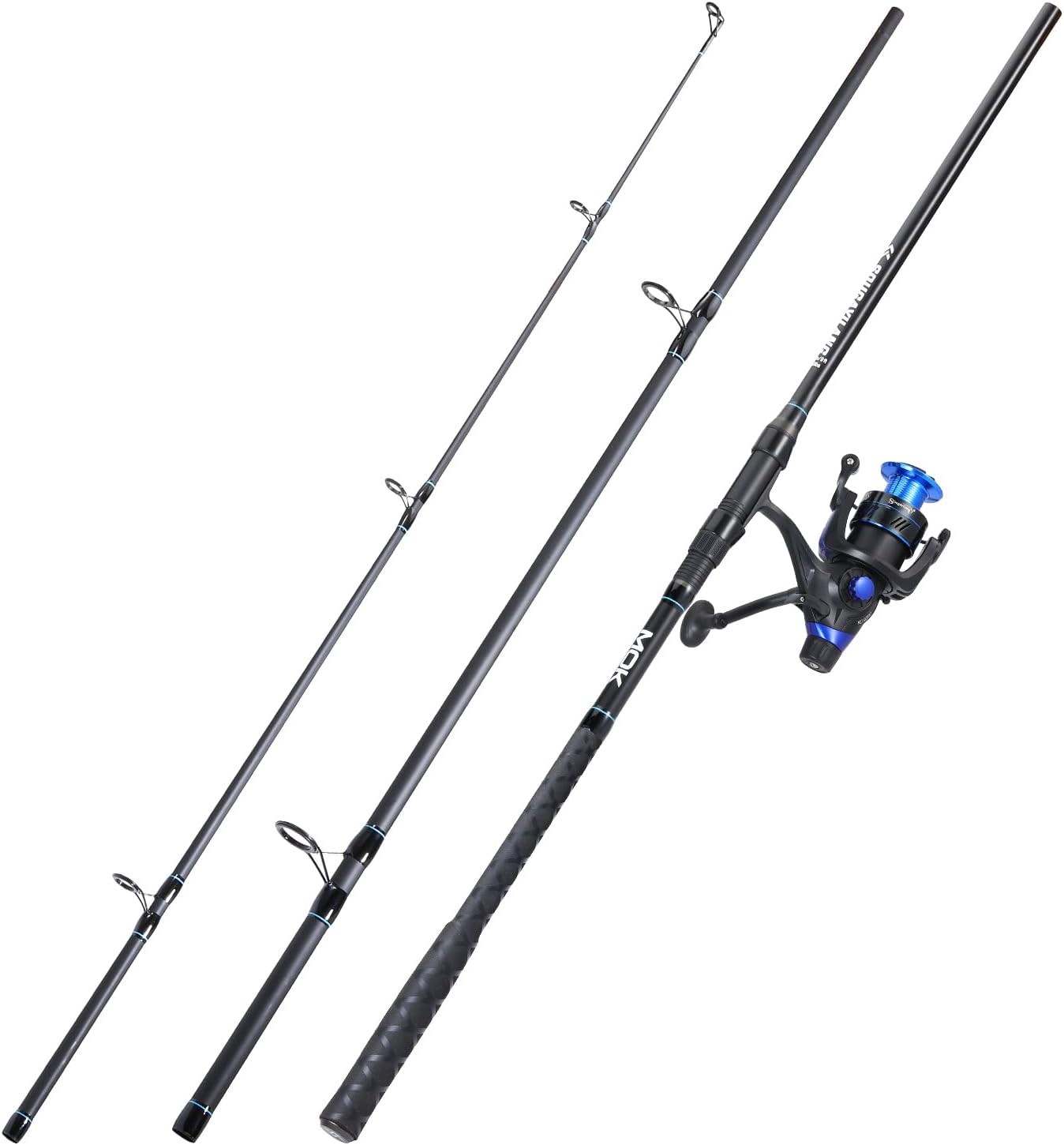
Sougayilang Surf Fishing Rod Combo Medium/Heavy 3 Piece Spinning Combo with 4000 Size Reel for Travel
Reel included, three-piece blank that packs down, medium/heavy for beach duty
It is a surf tool, and surf tools need rinsing after every trip or they pay you back in corrosion
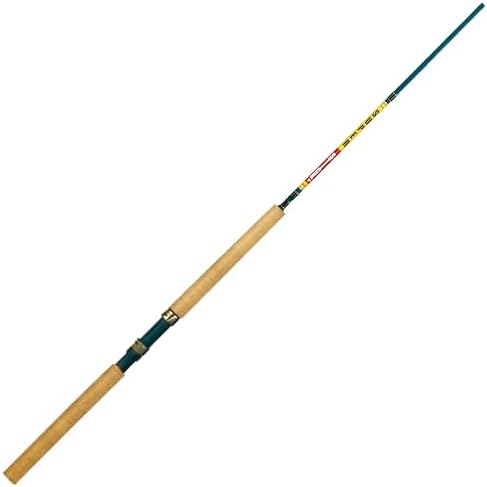
B'n'MBnM Russ Bailey Crappie Wizard Rod 2pc.
Purpose-built panfish action for brush, docks, and spider rigging
A specialist, so it is the wrong tool for bass, catfish, or saltwater
Prices and availability were captured from Amazon Creators API and may change.
How I judge a rod before it earns shelf space
Every rod that comes through my shop gets the same four questions, and none of them involve the paint job.
First, how does the blank load on a real cast? A rod that only bends in the last six inches will not load with a light lure, and you will fight it all day. Second, does the mid-section hold when a fish pulls? I care about the backbone far more than the label on the butt cap, because power ratings are marketing and bend is engineering. Third, do the guides survive a season of sand, salt, and braided line? Cheap guides groove, and a grooved guide shreds line on the cast and on the fight. Fourth, would I hand this rod to a paying client without apologizing for it?
I keep a logbook of action curves for the rods I carry. It is a boring habit that has saved me from recommending a lot of pretty junk. The four rods here are not all rods I would stock for the same customer, and that is the point. Two of them are aimed at beginners, one is aimed at a travel angler, and one is aimed at a panfish specialist who knows exactly what they want.
The kids set: the shortest path to a first fish
The Kids Fishing Pole set is exactly what the name says. It is a complete kit for boys, girls, toddlers, and youth, and it exists so that a parent can hand a child a rod instead of assembling one. That sounds like a small thing until you have stood in a store with a seven-year-old who has already lost interest twice.
What this set wins on is access. There is no reel to match, no line to spool, no guesswork about what a beginner needs. What it loses on is range. It is built for small hands and small fish, and no amount of enthusiasm will turn it into a rod that handles a big channel cat or a surf run. If you want the honest version: this is a rod for bluegill, perch, stocked trout, and farm ponds, and it is very good at that job.
Two things I tell every parent who buys one. Rinse the reel after a day in the water, even freshwater, because grit is what kills inexpensive reels. And do not expect a child to cast far on day one. Distance comes later. The first fish is what keeps them coming back, and this set is aimed squarely at that first fish.
KastKing Perigee II: the generalist
The Perigee II is the interesting one in this group because it covers spinning and casting in the same product line. That makes it the rod I would point at an angler who wants one rod and does not yet know what they will fall in love with. Freshwater bass, panfish, a little light saltwater, pond hopping, a rod that lives in the truck.
The catch with any generalist is that it is not a specialist. If you are chasing big surf fish in current, or you want the soft tip that makes a crappie jig dance, a do-everything rod will feel like a compromise. It is. That is the trade you make for one rod instead of three.
If you order one, check the configuration carefully before you buy, because a line like this usually ships in several lengths, powers, and actions, and the power you pick matters more than the brand name. Then inspect two things when it arrives: the reel seat, and the guides. A reel seat that wobbles under load is a lost fish waiting to happen, and rough guide rings will chew line faster than any fish.
Sougayilang surf combo: a reel in the box
The Sougayilang surf combo is the only rod here that arrives as a system. Medium/heavy, three pieces, spinning, with a 4000 size reel included. That 4000 size is the workhorse size for beach and pier work, big enough for line capacity and drag, small enough to still balance on the blank.
The three-piece build is the feature that matters most for a lot of buyers. A one-piece surf rod is a commitment to a vehicle, a garage, and a storage situation. A three-piece rod goes in a trunk, a suitcase, or a closet, which is why travel anglers and vacation fishermen gravitate to them.
The trade-off is honest and unavoidable. A combo saves you money and a separate decision, but you are trusting the included reel, so read what buyers say about the drag and the line capacity before you commit. And this is a surf rod. Fishing it in a freshwater lake is fine if you accept that you are using a heavier tool than the job requires. Rinse it after every saltwater trip. Every single one.
B'n'M Crappie Wizard: the panfish specialist
Crappie anglers are the most brand-loyal group of fishermen I know, and there is a reason. Panfish fishing is a precision game. You are dropping light jigs into brush, shooting docks, feeling a tick that most rods never transmit. A two-piece crappie rod designed with an angler whose name is on it is not a gimmick in that world. It is a tool built around one job.
The Crappie Wizard is that rod. Two pieces, so it travels and stores easily. Purpose-built for crappie, which means it is not the rod you grab for bass in the lily pads or catfish in the river. If you fish brush piles, stake beds, and docks, this is the specialist pick in this comparison, and the specialists usually win on their home water.
The two-piece design is worth a note for anyone who has not fished one. A good ferrule is invisible in use. A bad one clicks and eventually works loose. Check the joint seating when the rod arrives, and keep it clean, because grit in a ferrule is the fastest way to ruin the action you paid for.
The parts nobody advertises
Guides and reel seats are where budget rods give themselves away, and they are the two things I check first on anything new.
Guides route the line, and they take more abuse than any other part of the rod. Cheap rings groove. Grooved rings shred braid and add friction on every cast. If a rod has rough or corroded guides after one season, the rod is not saltwater ready no matter what the listing says.
The reel seat is the other failure point. It holds your reel to the blank, and if it wobbles when a fish is pulling, you have a problem no drag setting can fix. On a twenty-pound fish, a loose seat is a disaster with a handle attached.
Action is the third thing, and the one most misunderstood. Action describes how the rod bends: fast in the tip, moderate through the middle, slow and deep into the butt. Power is a separate number and gets marketed much harder. A rod that bends where you expect it to bend will out-fish a rod with a better logo, every time. Read the action spec, ignore the adjectives.
Matching the rod to the fish you actually catch
Here is how I would sort these four for a customer standing at my counter.
Shopping for a child, or for a beginner who needs everything in one purchase? The kids set. No contest.
One rod, tight budget, mixed freshwater fishing, and you want to learn both spinning and casting? The KastKing Perigee II.
Beach, pier, jetty, and you want the reel included because you do not want to shop for two things? The Sougayilang combo.
Crappie, bluegill, brush piles, and you already know your fishery? The B'n'M Crappie Wizard.
That last one is the sentence I repeat most often: buy for the fish you actually catch. Most anglers fish the same three or four spots for years. The rod that matches those spots will catch more fish than the rod that matches a trip you might take someday.
What is on the bench next
I have been testing mid-range spinning rods all season, and the pattern keeps repeating. The rods that hold up are not the ones with the loudest claims. They are the ones with decent guide rings, a reel seat that stays tight, and an action rating that matches the actual bend in the blank. That is a low bar, and a surprising number of rods miss it.
The other thing I am watching is the combo market, because more rods are shipping with reels attached, and the quality of those included reels varies wildly. A combo is only a deal if the reel is worth fishing. When I have enough time on the water with this group, the logbook will say what it always says: the tool matters less than the match.