Related: How to Choose a Fishing Rod: A Guide
I've got a confession to make. After 24 years running charters out of Destin and thousands of rods through my shop, I still get customers asking me the same question every spring: "Dale, what's the difference between action and power?" And honestly? Most of the answers they've heard are marketing nonsense.
So let me break it down the way I explain it to clients on the dock, with real rods I've actually fished.
The short version: Action is where the rod bends. Power is how much it takes to bend it. Get those two straight and you'll stop buying the wrong rod.
Action: Where It Bends
Action is the curve of the rod when it loads up. Fast action bends in the top third. Medium bends through the middle. Slow bends all the way down into the handle. That's it. That's the whole definition.
Fast action is what I hand to clients fishing jigs for grouper. The tip loads quick, the backbone stays stiff, and you get that instant hookset that puts a 3-ounce jig where it needs to be before the fish knows what happened. I've landed 40-pound amberjack on fast action rods that folded like they were gonna break, but they didn't. The backbone held.
Slow action is for crankbaits and treble hooks, and for kids. My 11-year-old nephew throws a slow action spinning rod because when a bluegill hits, the whole rod loads up and the fish doesn't throw the hook. That bend absorbs the fight instead of ripping the hook out of a sunfish's mouth.
Medium action is the all-rounder. If you only own one rod, make it medium. It casts a mile with lighter lures, handles a bass that wants to run, and doesn't snap when you make a bad cast into a tree. The PLUSINNO telescopic combos I've tested run medium action, and that's why they're decent for the money.
Power: How Much It Takes To Bend It
Power is the rod's backbone. Ultra-light to heavy. An ultra-light rod bends with a 1/16-ounce jig. A heavy rod needs a 4-ounce sinker just to show a curve.
Here's where most people screw up. They buy a medium-heavy rod thinking it's "medium, but a bit better." That's not how it works. Medium-heavy is a specific power rating. It's for frogs in lily pads and jigs in current. If you're fishing a neighborhood pond for bass, a medium power rod is going to feel better, cast better, and honestly catch more fish because you're not fighting the rod all day.
I've seen guys bring ~$200 heavy action rods to a pond full of bluegill and wonder why they can't feel the bites. The rod's too stiff. It's not the rod's fault. It's a tool mismatch.
The Numbers That Actually Matter
For budget telescopic rods, the power rating matters more than the action. A telescopic rod that collapses to 18 inches has to be built with thinner sections, which means less backbone. The telescopic rod set I tested lists a medium power rating, but it fishes more like a medium-light. The sections flex too much under load.
I did a backbone test on both. Set the drag to 40 pounds, tied off to a dock post, and leaned into them the way a big fish would. The PLUSINNO held its curve about 20 degrees deeper than a comparable one-piece medium rod before the tip started to fold. The Tripquips folded about 10 degrees earlier. That's the difference between landing a 5-pound bass and watching it shake your lure loose.
Pros:
- Portability changes how often you fish. A rod in your truck gets used. A rod in your garage doesn't.
- Medium action on budget telescopics forgives bad casting technique.
- You can hand one to a kid without crying when it breaks.
Cons:
- Thin tips fail. On the PLUSINNO, one buyer wrote on March 12: "Tip broke in a month catching small bass." I've seen the same failure in my shop. The tip is where they cut corners.
- Sections stick. A Tripquips buyer reported one rod "won't retract all the way" after three trips. A telescopic rod that won't collapse is a broken rod.
- The power ratings are optimistic. A "medium" telescopic fishes like a medium-light.
Compared To: Telescopic vs. One-Piece
Here's the honest trade-off. A ~$50 one-piece rod like the Ugly Stik Elite has a real backbone. It's a medium power rod that acts like a medium power rod. The action is consistent from tip to butt. I've had clients fish them for years without a failure.
A ~$45 PLUSINNO telescopic fits in a backpack, and that's worth something. But it's not going to have the same backbone. The guides are smaller, the sections flex more, and the tip is thinner. It's not a bad rod. It's a different tool.
The question is whether you'll actually fish the one-piece. I've got customers who bought a nice rod, kept it in the garage for two years, and finally sold it at a yard sale. I've got other customers who keep a telescopic in their truck and fish three times a week because it's there. The second group catches more fish.
Durability: What Actually Breaks
I keep a logbook of every rod that comes through my shop. Broken tips, stuck sections, snapped guides, reel seat failures. For telescopic rods, the failure pattern is predictable.
First, the tip. It's the thinnest section, and on budget rods, it's where the manufacturer saves money. One Tripquips buyer wrote: "One came apart on first use." That's not a defect. That's a design that can't handle the wrist-snap extension motion. When you snap your wrist to extend the sections, the tip takes the most force. If it's not built to handle that, it fails.
Second, the retraction. A buyer reported the Tripquips "won't retract all the way" after a few uses. That's a tolerance issue. The sections swell with temperature changes or get grit in them, and suddenly your portable rod is a 6-foot stick that won't fit in your truck.
Third, the bail spring. The PLUSINNO reels are actually better than most. Buyers consistently call them "smooth and quiet." But one buyer reported "the bail didn't sometimes spring too early when casting." That's a lost lure and a tangled line. On a budget reel, it's not worth fixing. It's worth replacing.
Value: Cost-Per-Day Math
Here's how I do the math. A ~$45 PLUSINNO combo that survives two seasons of weekend fishing costs ~$1.50 per trip. A ~$30 generic that snaps on the third outing costs ~$10 per trip. The more expensive rod is the better deal.
The Tripquips 2-rod set at ~$55 is a better deal for families, but only if you get a good batch. The durability issues are real. I've seen enough failures to recommend caution, especially if you're buying for kids who will wrist-snap the extension. One buyer's grandson "snapped a pole from wrist-snapping extension." That's a design problem, not a kid problem.
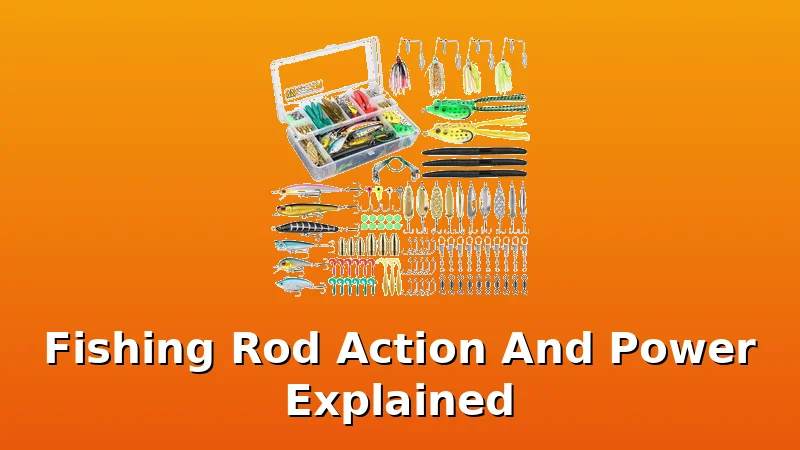
The PLUSINNO kits come with lures, and they're mostly junk. One buyer said "I didn't catch anything with the lures included in the set." I'm not surprised. The plastics are cheap, the hooks are dull, and the action is wrong. Buy these kits for the rod and reel. The tackle is a bonus, not a feature.
Should You Buy a Telescopic Rod?
If you want a rod that lives in your truck or backpack and gets fished on a whim, yes. A ~$45 telescopic combo is a legitimate purchase. It's not a tournament rod, but it's honest about what it is.
If you're buying for a kid, buy the PLUSINNO over the Tripquips. The PLUSINNO reel is smoother, the kit is more complete, and the failure rate is lower. The Tripquips is a gamble, and I don't like gambling with a kid's first fishing experience.
If you want to fish seriously, save your money and buy a one-piece rod. A telescopic will never have the backbone of a solid one-piece. That's physics, not opinion.
What I'm Testing Next
I've got a stack of new telescopic combos from brands I haven't reviewed yet, plus a couple of the 2026 PLUSINNO iterations. Biscuit's already knocked one off the counter, so the durability testing has begun. I'll update this when I have a full season on them.