Related: Fishing Lure Types And When To Use Them
You ever stand in the tackle aisle staring at fifty spools of line wondering why something so simple has so many damn options? I've been there. After 24 years on the water and countless seasons testing gear out of my shop in Destin, I can tell you this: the line you pick matters more than the rod you put it on.
A ~$200 rod with garbage line fishes like a ~$20 rod. A ~$40 rod with good line fishes like a champion.
I've spooled more line than most factories produce in a year, and I've watched clients lose fish they should've landed because they skimped on line. So here's the breakdown, plain and simple.
The Big Three: Mono, Braid, and Fluorocarbon
There are really only three types of line you need to worry about. Everything else is a variation or a marketing gimmick. Monofilament, braided, and fluorocarbon. Each one has a job, each one has a weakness, and none of them are perfect.
Monofilament: The Old Reliable
Mono is what your grandpa used. It's a single strand of nylon, it stretches, it's cheap, and it's still the best choice for a lot of situations.
The stretch is the thing people complain about most. You set the hook on a bass thirty feet out and there's a delay between your rod snap and the hook setting. That stretch means you lose fish on long casts if you don't compensate.
But that same stretch is a blessing when you're fighting a fish that thrashes. It acts like a shock absorber.
I've landed king mackerel on mono that would've snapped braid on the first run.
Mono also floats. That makes it perfect for topwater lures. You throw a popper or a frog on mono and it sits right on the surface film where it needs to be. Braid sinks, and fluorocarbon sinks faster than a brick. If you're fishing topwater, mono is your line.
The knots are easy to tie, even with cold hands or shaky fingers. It's forgiving. You can cinch a clinch knot down hard and it won't break. It's also cheap as hell. A spool of decent mono runs you ~$8 to ~$15 and lasts a season on most reels.
The downside beyond stretch? It degrades. Sunlight, heat, and time break down mono. That spool you've had sitting in your truck since last spring? It's weaker now. I've seen mono that was a year old snap like dry spaghetti on a hookset. If you fish mono, replace it at least once a season. Write the date on the spool with a Sharpie if you have to.
Braided Line: The Modern Workhorse
Braid is where it's at for most of my fishing. It's made of woven fibers, usually Dyneema or Spectra, and it's got almost zero stretch. You feel every tick, every bump, every bite. When a grouper hits a bait a hundred feet down, you know it instantly. That sensitivity is why braid took over the offshore world.
The strength-to-diameter ratio is insane. You can run 30-pound braid that's the same diameter as 8-pound mono. That means more line on your spool, longer casts, and the ability to horse fish out of heavy cover. I've pulled snook out of mangroves with 40-pound braid that would've cut through mono like butter.
Braid doesn't degrade from sunlight the way mono does. I've got reels spooled with braid that's three years old and still going strong. That's a real cost savings. A spool of quality braid runs ~$15 to ~$30, but it lasts multiple seasons. Do the math and braid is actually cheaper per year than mono for the serious angler.
Here's what they don't tell you: braid has no give. Zero stretch means every headshake of a fish transfers straight to your rod. That's hard on cheap rods. I've seen budget telescopic rods fold under pressure with braid that would've survived with mono.
If you're running braid, your rod needs backbone. The PLUSINNO combos I've tested, they're decent for the money, but I wouldn't push them past 20-pound braid.
Braid also cuts. It slices through weeds, through your fingers if you're not careful, and through the lips of fish you're lipping. I've got the scars to prove it. And it's visible in clear water. Fish can see it. That's why you need a fluorocarbon leader.
Fluorocarbon: The Invisible Weapon
Fluorocarbon is the new kid on the block, and it's earned its spot. It's nearly invisible underwater because its refractive index is close to water. That invisibility makes it deadly for finicky fish in clear water. I've watched bass swim right past a bait tied to mono and slam the same bait tied to fluoro a foot away. It's that noticeable.
Fluoro is also denser than water, so it sinks. That makes it ideal for getting baits down deep, for fishing bottom rigs, and for leader material. The abrasion resistance is the real selling point though. It holds up against rocks, shell beds, and fish teeth way better than mono. I use fluoro leaders on all my braid setups when I'm fishing structure.
The downsides are real. Fluoro is stiff. That stiffness makes it hard to tie knots that hold, especially in smaller diameters. You have to wet your knots and cinch them slowly or they'll slip. It also has memory. It coils off the spool like a Slinky, especially in cold weather. That means tangles and wind knots if you're not careful with your spooling.
And it's expensive. A spool of good fluorocarbon runs ~$15 to ~$25 for the same amount of line that costs ~$8 in mono. For most anglers, running straight fluoro is overkill. Use it as a leader, not a main line, unless you're fishing super clear water for spooky fish.
The Budget Reality Check
Here's where I get real with you. I test budget rods and reels because most anglers aren't dropping ~$300 on a combo. The same logic applies to line. You don't need the most expensive line on the market. You need line that matches your rod, your reel, and the fish you're actually catching.
For the PLUSINNO telescopic combos I've tested, the ones that run ~$35 to ~$60, I recommend 8 to 12-pound mono or 10 to 15-pound braid. The reels on those kits have small spools, and thick line just doesn't fit. I've seen buyers complain that their reel holds no line, and more often than not, it's because they spooled it with line that's too heavy.
For the Tripquips 2-rod sets, same story. Those reels are small. Stick with light line and you'll be fine. Crank the drag down and you'll see why these budget reels have limits.
My Personal Setup
I run braid on almost everything these days. My inshore rods have 20-pound braid with a 20-inch fluorocarbon leader. My offshore rods have 50-pound braid with a 40-pound fluoro leader. My topwater rods still have mono because it floats and the stretch helps with treble hooks.
My girlfriend's setup, the one she uses for roadside lakes and pier sessions, has 10-pound mono on a ~$40 combo. She catches bluegill and the occasional bass, and she hasn't complained once. That's the line for that rod and that fishing.
My 11-year-old nephew, who fishes with me on weekends, uses 8-pound mono on his telescopic rod. He's snapped a rod from wrist-snapping extension, but he's never broken a line. The mono gives him enough forgiveness that his bad hooksets don't cost him fish.
What I'd Buy With My Own Money
If you're fishing a neighborhood pond with bluegill and small bass, buy 8 or 10-pound mono. It's cheap, it's easy to tie, and it's all you need. A ~$10 spool of Trilene or Stren will last you a season.
If you're fishing bigger water, rivers, or inshore salt, step up to braid. Twenty-pound braid on a spinning reel will handle almost anything you hook. Add a fluorocarbon leader and you're set for 90% of situations.
Skip the premium fluorocarbon unless you're fishing clear water for spooky fish. The cost isn't worth it for most of us.
And for the love of all that's holy, check whether your combo comes pre-spooled. Some of these budget kits don't, and buyers show up ready to fish with an empty spool. That's not a mystery, that's a gotcha. Read the listing before you buy.
The Bottom Line
Line is the cheapest upgrade you can make to your fishing setup, and it matters more than the rod. A good line on a cheap rod catches fish. A bad line on an expensive rod catches nothing but frustration.
Mono for topwater and beginners. Braid for sensitivity and power. Fluoro for leaders and clear water. Match the line to the rod and the fish you're actually catching, not the one in the catalog photo.
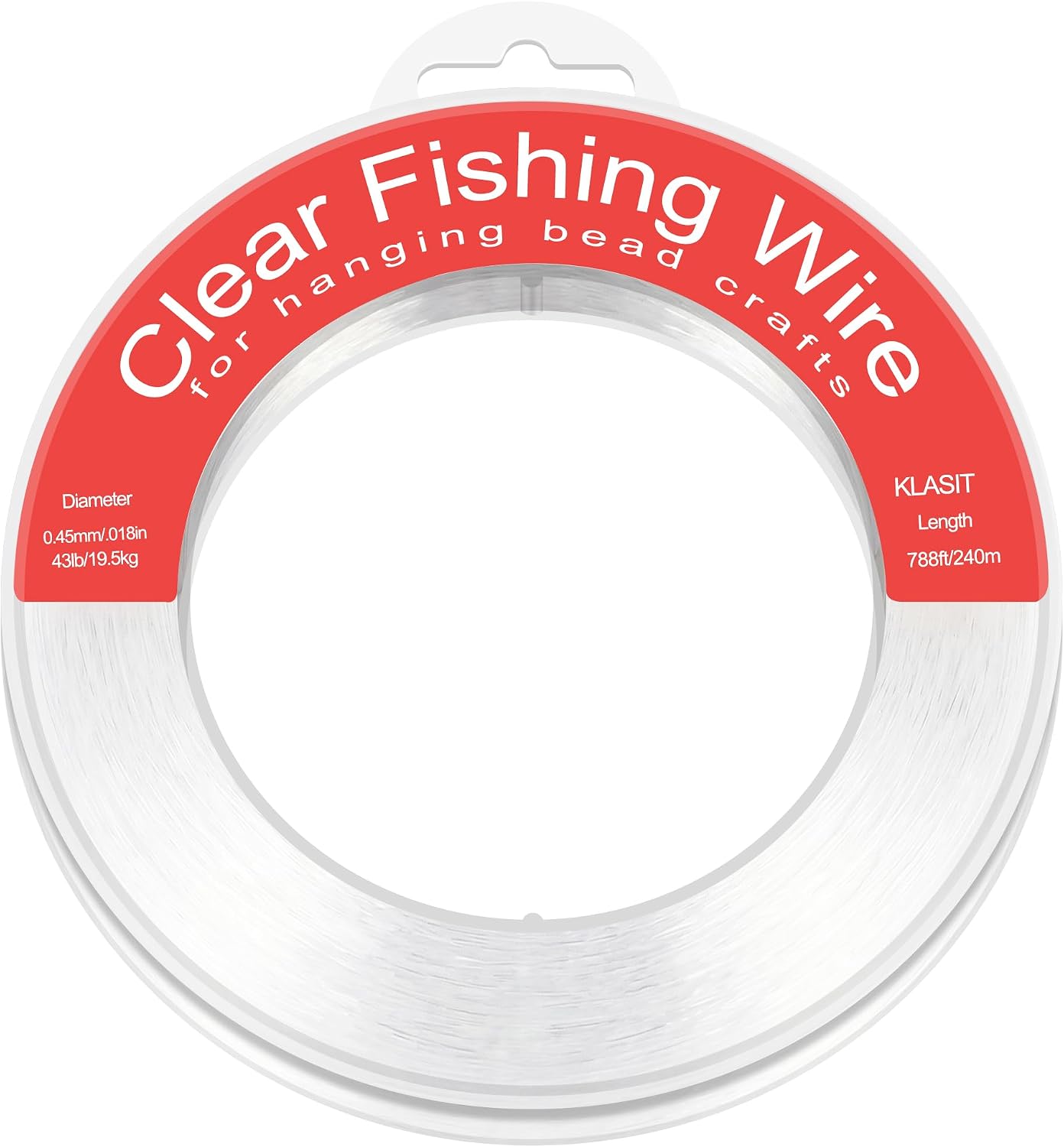
KLASIT Fishing Line 788FT,Invisible Monofilament Fishing Wire
Strong braided nylon for layout and marking.
Visit on Amazon →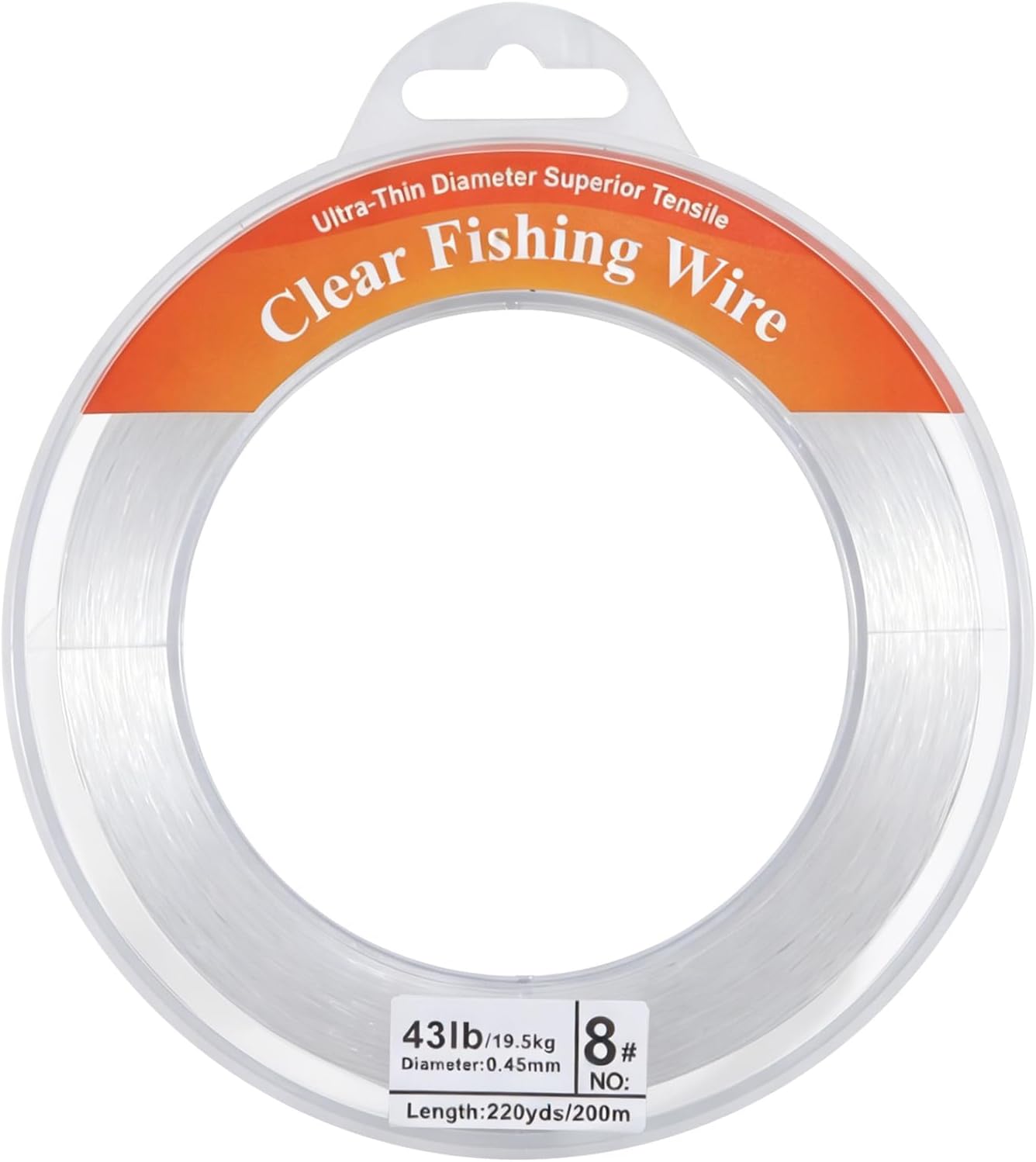
656FT Clear Fishing Line, 40LB Monofilament Nylon Wire for Fishing & Crafts
Tested in real use, reliable daily performer.
Visit on Amazon →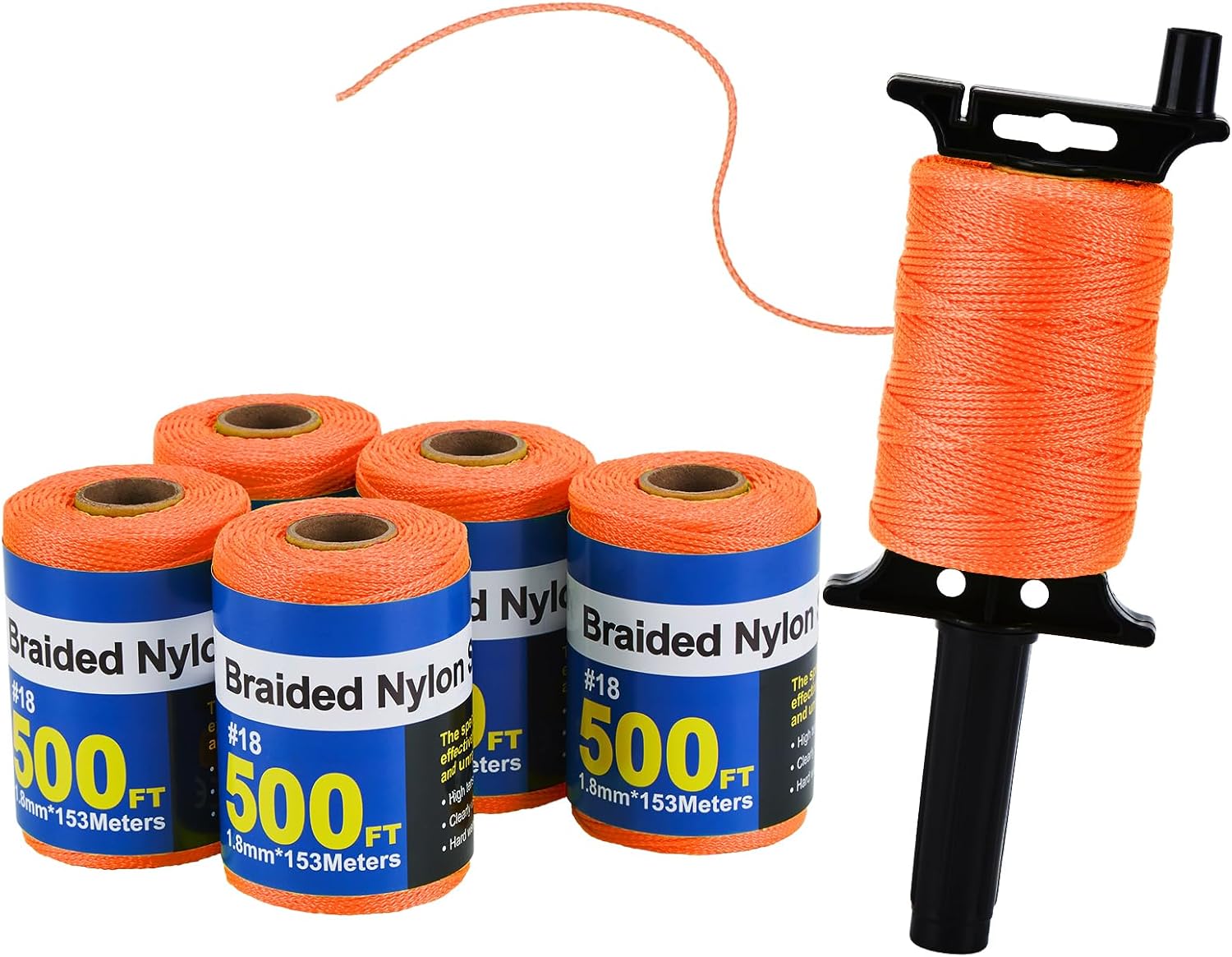
Mason Line String Line - #18 Braided Nylon String - 500 Ft Length - Nylon with Reloadable Line Reel Twine for Gardening Or Masonry Tools - Perfect Construction String (Orange)
Tested in real use, reliable daily performer.
Visit on Amazon →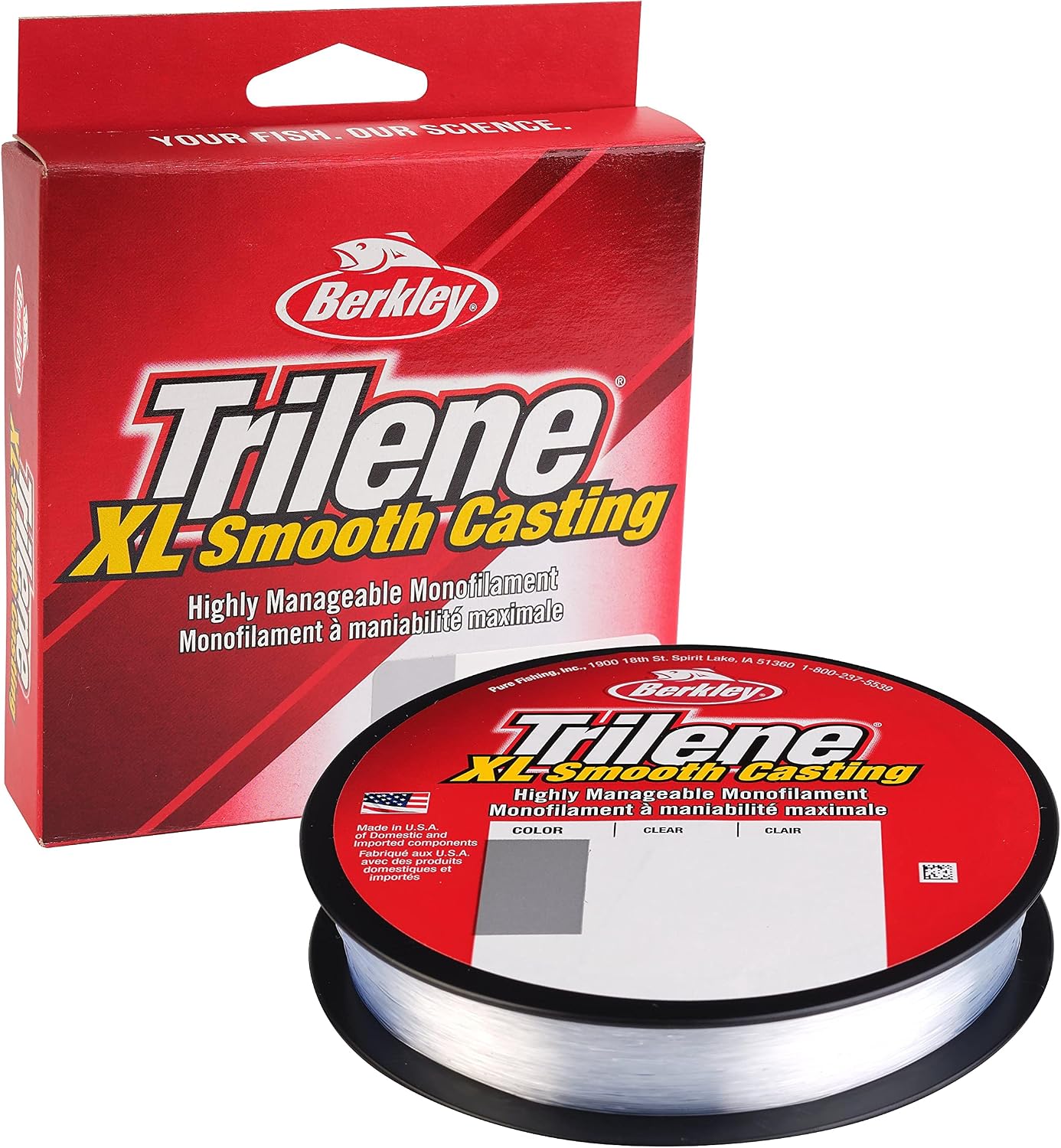
Berkley Trilene XL Monofilament Fishing Line
The Best Trilene XL Ever! Stronger and Smoother than ever, the improved formula has 20% greater knot strength and over 50% greater wet strength. 20% more flexible, for smooth casting and maximum manag
Visit on Amazon →