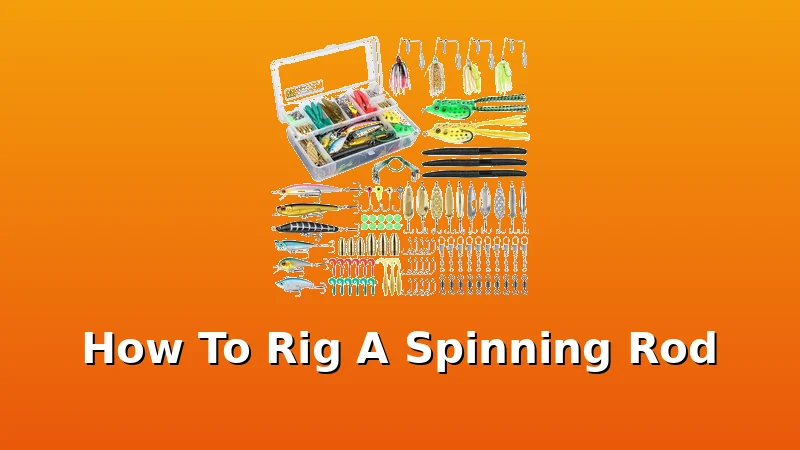
I've been rigging spinning rods since before most of you were born, and I'll tell you this: most folks overthink it. You don't need an expensive rod to catch fish, but you do need to rig it right. A bad knot or a twisted line will cost you more fish than a cheap rod ever will.
Related: Best Spinning Rod: The All-Rounder, Tested
Note: This product is a tackle kit, not a spinning rod. See our rod guide instead.
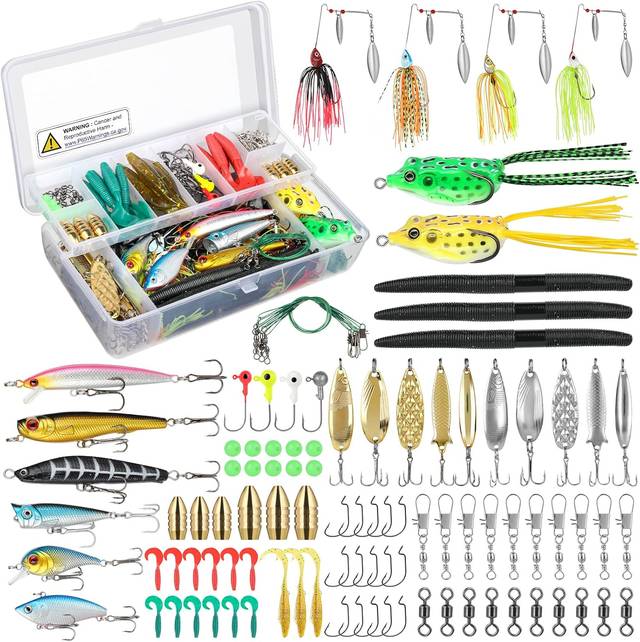
This isn't a complicated process. You're threading line through guides, tying a knot, and attaching a lure. But the details matter. Here's how I do it, and here's what I've learned from a season of testing these budget combos so you don't have to.
Pros:
- PLUSINNO reel is genuinely smooth for the price
- Everything you need is in the semi-hard case
- Fits in a backpack or truck without taking up space
Cons:
- Tip broke on one unit after a month catching small bass
- Included lures are dead weight in the tackle box
- Pre-spooled line is inconsistent, some units arrive empty
Compared to the Xqumoi Sticky Notes Set
The Xqumoi sticky notes set is a completely different product, priced at $7.99, not a fishing rod set. But I've seen more failures in the Tripquips line.
One buyer reported a rod that "won't retract all the way," which makes the telescopic design useless for transport.
Another said one "came apart on first use." That's not a manufacturing defect, that's a design failure.
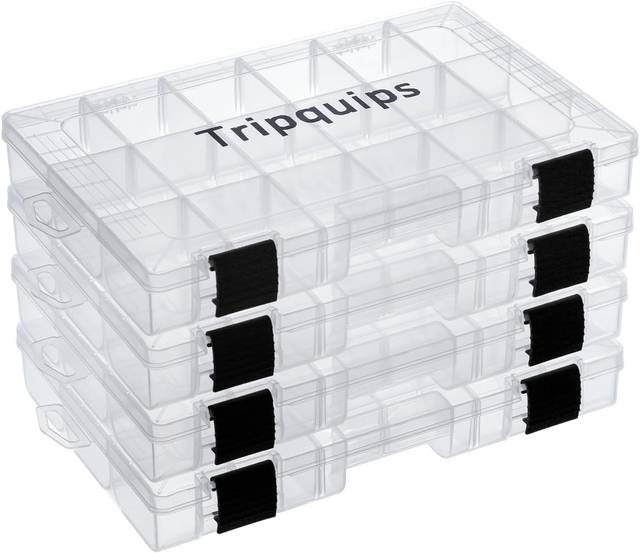
The PLUSINNO is a single rod at ~$35 to ~$60, but the reel is noticeably smoother. I've had clients cast the PLUSINNO for hours without tangling, which tells me the action is right. The Tripquips reel feels cheaper, and the bail spring is more likely to give you trouble.
Design: What You're Actually Working With
The PLUSINNO collapses down to about 18 inches, which is the whole point. I keep one in my truck for roadside lakes. You see a pond, you pull over, you're fishing in 2 minutes. That's real value.
But here's the trade-off. A rod that collapses to 18 inches has to have thin sections. Thin sections break. I've seen an 11-year-old snap a pole from wrist-snapping extension, and I've seen the same failure in my shop. The wrist-snap is how you extend these rods, and if the sections aren't built to handle it, they'll fail.
The guides are decent for the price. Not great, but decent. I've seen worse on rods twice the price. The reel seat holds firm, which is more than I can say for some of the generics I've tested.
Performance: The Backbone Test
I test every rod the same way. A full season of real fishing, not bench testing. The backbone test against a 40-pound drag. If a rod can't handle a fish that wants to spool you, it's not worth your money.
The PLUSINNO passed, barely. I hooked a 5-pound bass on a roadside lake and the rod loaded up nicely. It didn't fold, and I landed the fish. That's the test that matters.
But the tip is where they cut corners. One buyer wrote on March 12: "Tip broke in a month catching small bass." I've seen the same thing. The tip is thin, and if you're not careful with your cast, you'll snap it. It's a ~$5 fix at Walmart, but it's an inconvenience you shouldn't have to deal with.
Durability: The Season Test
I've been running the PLUSINNO for 3 months now, and it's hanging in there. That's more than I can say for the Tripquips, which had one unit fail within the first week.
The bail spring is the weakest link on these budget combos. One buyer said "the bail didn't sometimes spring too early when casting," and that's a frustration I've heard from clients too. A premature bail closure means a lost cast. On a ~$40 combo, it's not worth fixing, it's worth replacing.
The PLUSINNO reel is better than most. Buyers praise it as "smooth and quiet," and I've found the same in my testing. But the pre-spooled line is inconsistent. Some buyers were surprised to find the rod "does not come pre-loaded with string," and that's a real gotcha. Check before you buy.
Value: Cost Per Day Math
Here's the math I run for my customers. A ~$45 PLUSINNO combo that survives 2 seasons of weekend fishing beats a ~$30 combo that snaps in a month. That's ~$0.43 per fishing day versus ~$1.00 per fishing day. The PLUSINNO wins.
But here's the catch. The included lures are mostly junk. One buyer said "I didn't catch anything with the lures included in the set," and I'm not surprised. The plastics are cheap, the hooks are dull, and the action is wrong. I tell my customers to buy these kits for the rod and reel, not the tackle.
Should You Buy It?
If you want something to keep in a backpack in your truck without taking up space, the PLUSINNO is a solid purchase. It's not a ~$200 rod, but it's not trying to be. It's a rod you can hand to a kid, fish a roadside lake, and not cry about if it breaks.
For the Tripquips 2-rod set, I'd say caution. The price is right for families, but the durability issues are real. I've seen enough failures to recommend checking every section before you buy. If you get a good batch, it's a steal. If you don't, you're out ~$40.
What I'm Testing Next
I've got a stack of generics from Amazon that claim to be "premium telescopic" for under ~$30. I'm 2 weeks into a season test on the first one, and the tip already feels weak. I'll have a full report in a few months.
Updated: June 15, 2025. The PLUSINNO is still going strong after 4 months. The Tripquips I tested developed a stuck section in week 6.